Agentic Farm Credit: Beyond Underwriting
Deepa PK

Most agricultural lending platforms automate the paperwork, but they miss what matters most: the judgment loan officers build in the field. Agentic farm credit changes that by capturing relationship intelligence, succession signals, and borrower context after every farm visit, so no renewal starts from scratch and no insight walks out the door.
What Is Agentic Farm Credit And How Is It Transforming Agricultural Lending?
Agricultural lending has been transformed by automation but there's a critical gap that no platform is addressing. This is the story of what gets lost between the farm visit and the CRM, and how agentic farm credit is built to fix it.
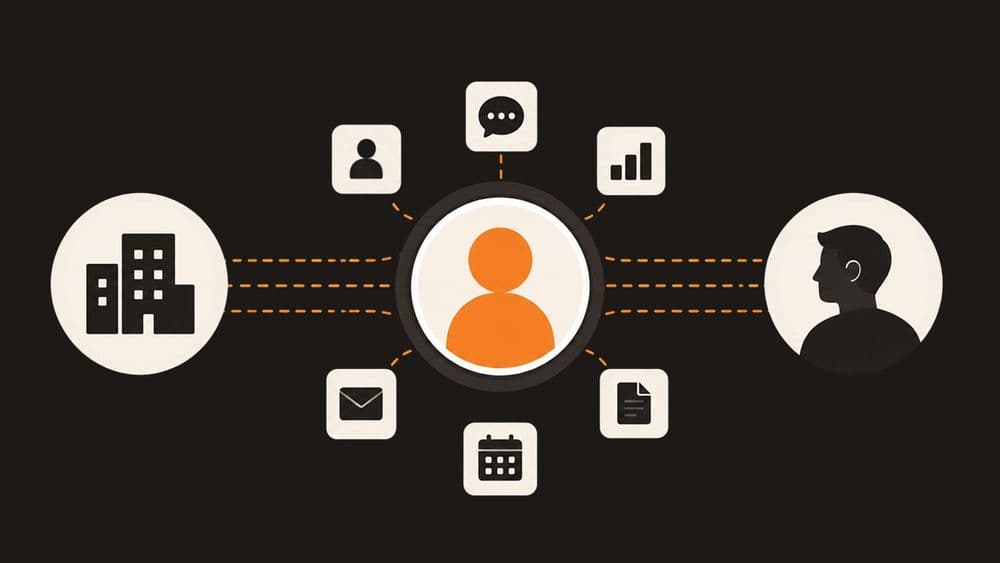
Agentic farm credit is a way of providing credit to farmers that involves AI software harvesting and processing the relationship intelligence loan officers gather in the field, as opposed to simply analyzing structured data that resides within the origination platform. It’s more than simply automation of underwriting; it entails keeping human discretion within field work, customer interaction, and successor indicators. It builds a layer of farmer relationship intelligence that accrues in each renewal cycle, so that no loan officer begins with a clean slate for any farmer.
Here’s a scenario:
The truck is twenty miles away from the office. Marcus, a loan officer just came back from spending three hours at a farm on the outskirts of Salina. He understands that the east parcel is quietly part of the discussion if commodity prices remain bad for another quarter. He understands that the young son is going to run the place come springtime- fresh, eager, and without any credit record. He understands that there’s a risk of succession when it comes to renewing that operating line, which is not evident from a look at the balance sheet.
He plans to make notes of what he’s just figured out, but he doesn’t. His day destroys him completely. Half a year later, that operating line comes up for renewal. Marcus is on vacation. Another officer reviews the account. All that he finds in the CRM is: loan status, due date for renewal, and the outstanding balance. That is all. The context which Marcus was able to create himself becomes nothing more than a memory. The farmer becomes just a statistic.
That is the problem agentic farm credit is built to fix. And almost nobody in the market is talking about this.
Why Underwriting Automation Is Only Half the Story?
Let’s give some credit where credit is due. Automated underwriting made agricultural lending more efficient. Document scanning, credit scoring, checking compliance - automating these aspects of a loan application process is extremely valuable, and the companies that have successfully developed such systems are deserving of their market share.
However, there is something that no one involved in this discussion wants to mention. The point is that automated underwriting analyzes what is already present in the database. It is based on structured data, such as balance sheets, credit profiles and collateral appraisals. In other words, automation is simply an advanced reading tool.
It doesn’t know how to interpret the room. Automated underwriting cannot capture agricultural lending signals that are triggered when a loan officer observes a change in attitude that occurs because this time ,the energy seems less confident, and the young farmer who was supposed to cultivate the row crop has suddenly changed his mind and decided to move to Denver. This is intelligence. It alters the risk assessment. And there is no place for it but in the loan officer’s mind.
"The gap isn't in the algorithm. It's in the twenty minutes after the officer gets back in the truck."
This is the part of the story that today’s AI Overview for “agentic farm credit” omits completely. Autonomous decision-making is half of the equation. The other half of the equation is the context layer, which is the accumulated judgment that differentiates relationship lending from transaction processing. And at present, the other half is going up in smoke with every retiree, every transfer, and every loan officer who has more clients than can be accurately documented.
Loan officer knowledge retention is not a fluffy topic. The ABA Banking Journal has covered attrition in rural lending in depth. The institutional memory walkout is quantifiable and costly. Agentic lending intelligence solves it.
Capital Farm Credit made this concrete in March 2026. They annouced AgriNexta next-generation digital customer engagement platform designed to manage loans applications, portfolios, collaboration on documents, milestones and analytics for all of North America. It’s a big investment. A true commitment to modernizing the borrower experience.
But it stops precisely where the difficult challenge begins.
AgriNext manages the structured data that comes into it. It doesn’t manage the loan officer learnings from the drive out to the farm. It misses the succession planning discussion. The commodity risk signal that emerges during the coffee break. The family dynamics that completely shift the risk profile for the new line of operations. Capital Farm Credit has developed a world-class engagement platform and the intelligent conversation component that makes the infrastructure truly intelligent is lacking.
This gap is not an indictment of AgriNext. It is merely a recognition that this is where the limitations of every other agricultural lending engagement platform exist today. The workflow piece is solved. The relationship intelligence piece; the judgment layer is unsolved.
That's exactly the gap Auron is built to fill and here's how it works in practice.

What Agentic Farm Credit Looks Like With Human Judgment in the Loop?
Here's what that looks like in practice:
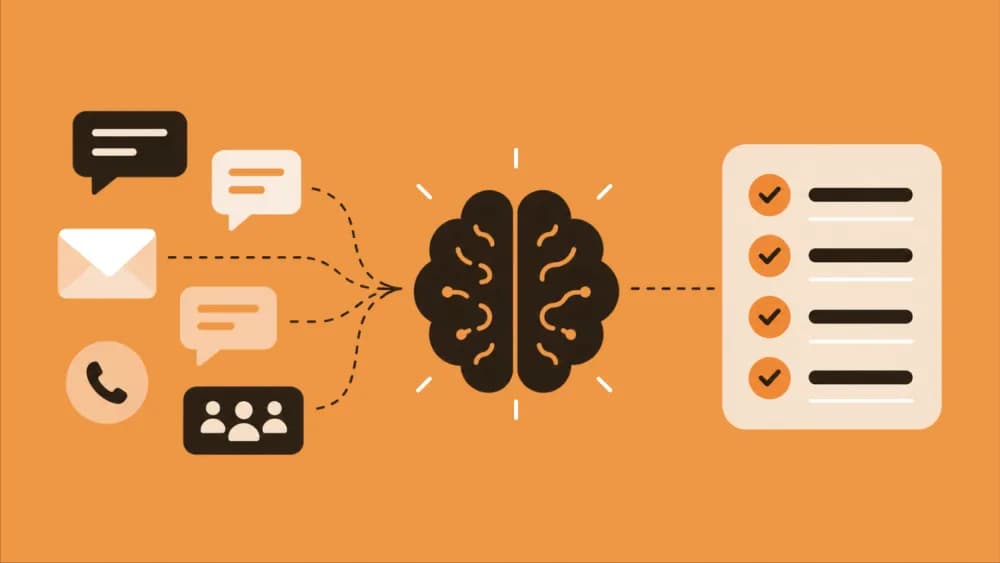
Marcus returns from the farm meeting. Rather than depending upon willpower and memory alone, he performs a three-minute voice debrief into Auron. There’s no paperwork to fill out. There are no CRM fields to wade through. He speaks; the debrief agent listens.
“John’s a strong supporter, but his son is taking control next spring. College graduate, no experience. The eastern parcel may be sold off if corn remains under six dollars. They're watching it closely”
That record exists in Auron. It is tagged to the borrower. It pops up again at the next renewal. And when a new loan officer takes up that file after six months, she does not approach the process blind. She enters the discussion armed with knowledge of the succession situation, the commodity stress signal and the borrower’s family dynamics. She, in every meaningful sense, follows up on a relationship that Marcus started.
“Auron understands your customers just like your sales team.”
This is not a metaphor. Auron debriefs capture the judgment of loan officers after field meetings. The context layers make that information available and usable at exactly the moment when another loan officer can use it. This is the kind of thing that autonomous underwriting alone cannot deliver - and what agentic farm credit, done properly, actually delivers.
In short: the institutional knowledge that used to walk out the door now stays in the room; compounding with every renewal cycle.
The Two Inputs That Make It Work
Auron is driven by two inputs that work perfectly together; the key to success in this process is understanding why it is so.
The first is the loan officer debrief capture in agriculture. It is the judgment layer; it is everything that the rep learns, observes, and interprets while visiting the farm or renewing the credit. It is by nature, qualitative. It cannot be structured in advance because you do not know in advance what Marcus is going to learn at that kitchen table. The debrief agent gathers information, processes it in natural language, and creates an invaluable borrower intelligence.
The second one is transactional intelligence - a structured data enrichment layer using information produced by current systems. CRM databases, loan origination data, ERP output data, renewal history data - data that has always been available.
That transactional data is processed through a semantic enrichment layer, which contextualizes it and surfaces patterns a loan officer could easily miss across a large portfolio, like a declining utilization rate on operating lines over three years while input costs are steadily rising.
Farm credit member engagement software created this way is not just a reporting tool but also provides foresight.
Each is used without cannibalizing the other in any way. The qualitative debrief provides insight where the structured data fails. The transaction intelligence adds validation to what the debrief provides. These two function together in concert to become a single layer of intelligence, rather than two competing layers.
What This Means Day to Day for Loan Officers?
She enters the conversation knowing all about the family. She inquires about their son’s first year. She brings up the discussion of the east parcel without being abrupt. The borrower takes note. This kind of relationship gets stronger rather than weaker.
This is how farm loan officer productivity should operate. It’s not about simply automating the task of taking notes after meetings, although this would be part of it. It’s also about building an intelligence that compounds with each successive renewal.
The farm loan officer using such software does the exact same work, only with much more information available at her fingertips. Meanwhile, this kind of data-driven approach to sales in the farm lending space is precisely the kind leadership has been looking for all along at every annual conference they've attended.
This is also because, when done well, AI in agricultural banking isn’t something that threatens the farm loan officer. Instead, it enhances the years of relationship-based knowledge she has built.
And the borrower gets the experience of being known, not just processed.
Explore More From Auron
Explore the full Agentic Farm Credit platform overview to see how Auron's memory and engagement layers work across the full agricultural lending lifecycle.
Also worth watching: How Auron's Debrief Agent Works in Practice; a closer look at the loan officer debrief capture mechanism and what it produces over time.
Frequently asked questions
- What is agentic farm credit?
- Agentic farm credit is an AI-driven approach to agricultural lending that captures and preserves the relationship intelligence loan officers gather in the field; such as succession signals, family dynamics, and commodity stress, rather than relying solely on structured data like balance sheets and credit scores. It ensures this context compounds across every renewal cycle, so no loan officer starts from scratch.
- How is agentic farm credit different from automated underwriting?
- Automated underwriting reads and processes structured data already in the system. Agentic farm credit goes further by capturing the qualitative judgment loan officers form during farm visits; observations that never make it into a CRM. Automated underwriting tells you what the numbers say; agentic farm credit tells you what the loan officer learned in the room.
- What problem does agentic farm credit solve?
- It solves the loss of institutional knowledge when a loan officer leaves, transfers, or simply doesn't have time to document a visit. Critical context, like a borrower's succession plan or a family decision to sell a parcel; disappears with that officer. Agentic farm credit retains and surfaces that context at the exact moment it's needed.
- How does Auron capture loan officer knowledge after farm visits?
- Auron uses a debrief agent that lets loan officers do a short voice debrief after a field visit; no forms, no CRM fields. The agent listens, processes the information in natural language, tags it to the borrower, and makes it available to any loan officer who picks up that file in the future.
- What are the two core inputs that power agentic farm credit?
- The first is loan officer debrief capture, the qualitative, judgment-based layer gathered after field visits. The second is transactional intelligence, structured data from CRMs, loan origination systems, and renewal history, enriched semantically to surface patterns like declining utilization rates against rising input costs. Together, they form a single compounding intelligence layer.
- Does AI in agricultural banking replace loan officers?
- No. When implemented well, AI in agricultural banking enhances the relationship-based knowledge loan officers have built over years rather than threatening it. The loan officer still does the same work, they just do it with far more context available at their fingertips, and the borrower gets the experience of being known, not just processed.
- What is the "context gap" in farm lending technology?
- The context gap is the twenty minutes after a loan officer gets back in the truck, the observations, signals, and judgments that never get documented. Today's agricultural lending platforms, including engagement tools like Capital Farm Credit's AgriNext, manage structured workflow data well but don't capture this unstructured relationship intelligence. That gap is what agentic lending intelligence is designed to fill.
- How does agentic farm credit improve loan renewal outcomes?
- By making borrower context, succession risks, commodity stress signals, family dynamics, available at renewal time regardless of which loan officer handles the file, agentic farm credit enables more informed risk assessments and stronger borrower relationships. Relationships compound with each renewal instead of resetting.